 Viseum AI Surveillance Video Monitoring Software
 How Viseum helped to start the AI video analytics industry
At the start of the millennium the AI video analytics market did not exist. Control rooms held banks of screens and not enough operators to watch them. Viseum built the first camera that read the scene for itself, and the public bodies that saw it recorded what happened next.
Governments and their technology advisors often ask why this history matters. It matters because longevity proves the engineering. Our earliest installations still run, and the police reports written about them still describe the same behaviour we sell today.
> The innovator behind it: Stuart Thompson <

Historical public body endorsements
These publications are the start of the AI video analytics industry. Making Viseum UK the pioneering organisation for a global market forecast to reach $109.85 billion by 2035 (Precedence Research, updated 18 August 2026).
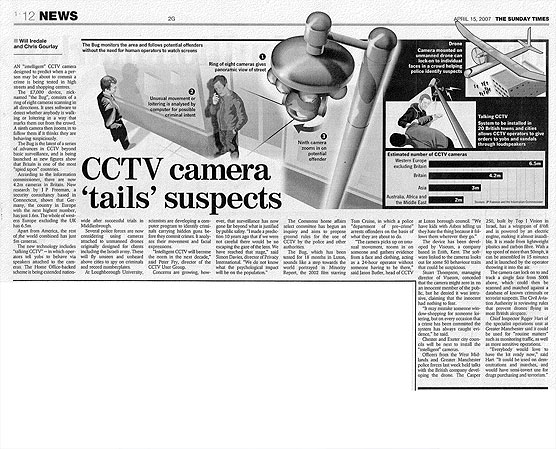
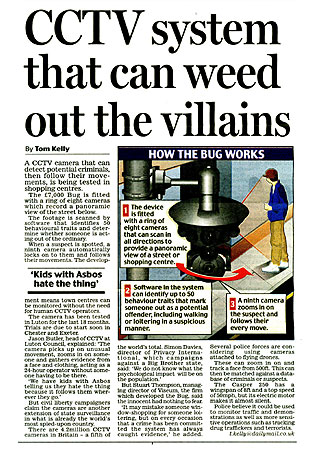

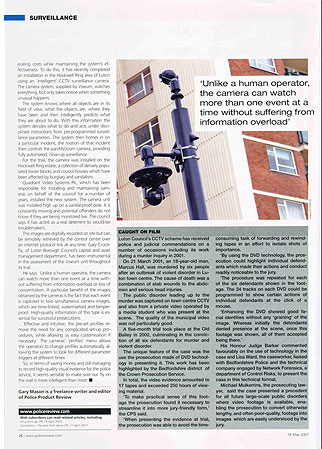
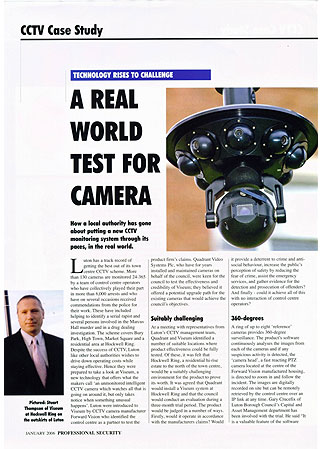
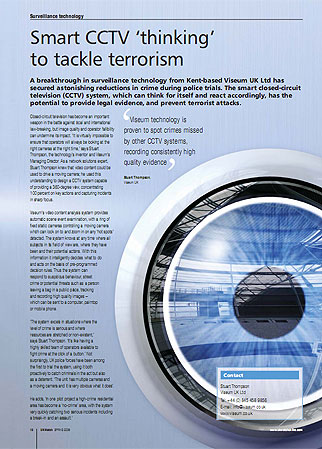
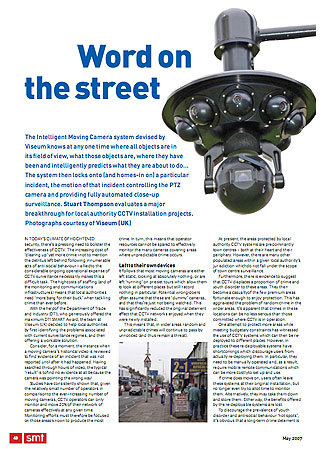
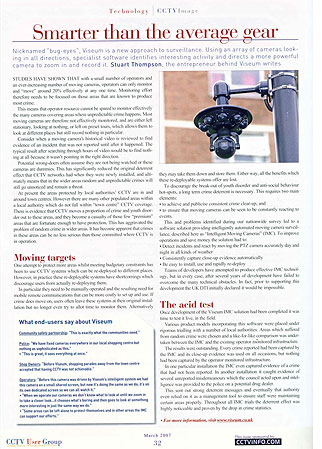
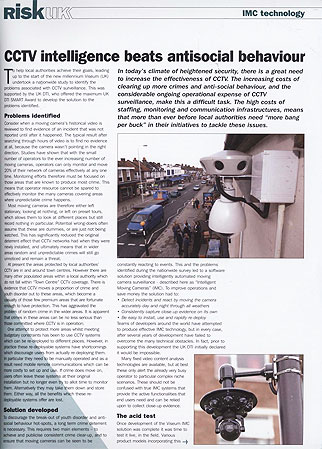
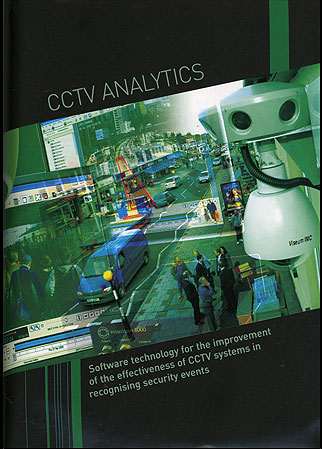
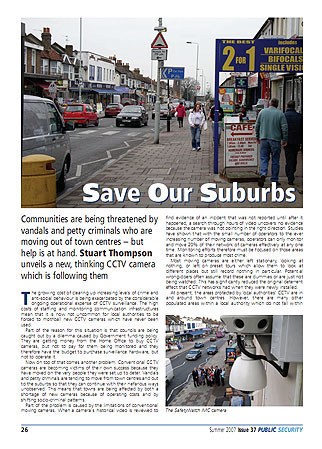
> Read the twelve press and broadcast reports, 2004 to 2007, on our founder’s page <
This made Viseum’s 360 Security Camera and Software Technology Services the world’s best. The performance of our Video Analytics Software consistently attracts mainstream tabloid and trade media. There is always news found on the internet about the Viseum UK business and AI surveillance technology innovations.

 The Video Analytics Market is forecast to reach $109.85 billion by 2035 (Precedence Research, updated ...
Learn More »
 The AI surveillance industry standard for automated security and situational awareness Many countries are overtaking ...
Learn More »
Viseum’s first public body installation – 2002

Why the AI video analytics industry grew so quickly
Every government faced the same three pressures. Firstly recorded crime kept climbing. Secondly staffing budgets kept shrinking. Thirdly the number of public safety cameras grew far beyond what any control room could watch. So automatic detection stopped being a luxury and became the only affordable answer.
What our early work means for a scheme today
A camera that has survived two decades of British weather tells a procurement team something a brochure cannot. So we still point buyers at the oldest sites first. Our engineers can upgrade the PTZ cameras and Video Management Systems a customer already owns, which protects earlier public investment.
- Endorsements from police forces, government departments and national media.
- Installations still operating from as far back as 2002.
- Proven detection that needs no permanent operator.
- British design, manufacture and engineering support throughout.
- Open standards, so a scheme is never locked to one supplier.
Meanwhile the market we opened is forecast to reach $109.85 billion by 2035 (Precedence Research, updated 18 August 2026). The direction of travel has not changed. Cameras keep taking on the watching, and people keep moving to the decisions that actually need judgement. This shift mirrors wider progress in computer vision.
Reading the endorsements
Firstly note the dates. Secondly note who wrote each piece, because a police review carries more weight than an advertisement. Thirdly note that the claims describe measured outcomes rather than product features. So you can check them against the case studies elsewhere on this site.
Meanwhile our engineers will gladly put you in touch with the officers and scheme managers named in these reports. So you can ask them directly what the system did for their district. In short, we would rather you heard it from them than from us.