 Viseum AI Surveillance Video Monitoring Software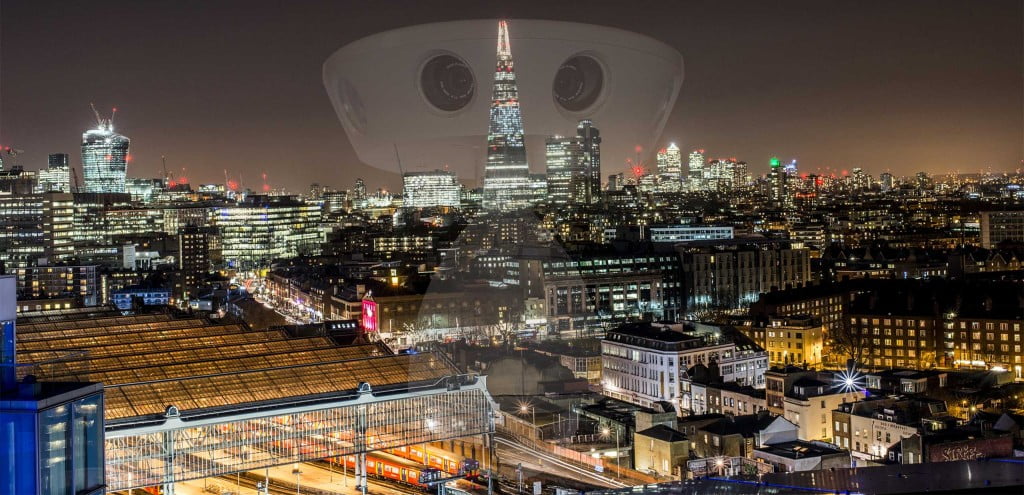
Viseum Considers its Technological Solutions to the Home-Grown Homeland Threat
The World Trade Center and Oklahoma City bombings changed how democratic nations see public safety. The Boston Marathon bombing was another reminder. Today, people, ideology, opinions and even weapon technology can pass with ease through porous national and electronic borders. The attack on the streets of Boston took place on 15th April 2013. It showed that not all terrorists come from outside a country. Radicalisation can also reach asylum seekers, their families and United States citizens.
Extremist organisations and global terror networks spread their ideology online. Vulnerable and disaffected people can be strongly influenced by it. The threat is usually small in scale. It can still appear in any city street, school or neighbourhood. It can carry the same ferocity as a large campaign. This spread of the extremist threat to local level creates one main problem. An attack can come with little warning and no intelligence alert. This amplifies the shock, terror and paralysis felt by the country. This in turn is inevitably further exploited opportunistically by extremist propaganda.

To some decision-makers, the challenges presented by an ever-present “glocalised” extremist threat, are just too overwhelming to contemplate. Many leaders assume that nothing can stop a home-grown extremist or a lone gunman. They believe this because there is no strategic intelligence lead. They assume that sufficiently motivated individuals will eventually make a successful attack. Authorities then focus on first response, emergency management, investigation and prosecution. These look like the only practical options.
A threat that can appear anywhere needs security that watches everywhere. That means eyes and ears in every city, mall, transport hub and border. This is entirely at odds with the ideals of freedom and privacy that western nations in particular hold so dear. No state has ever achieved this. Large cities and business districts are complex and crowded. They contain many roads, entrances and exits. Covering all of them has always been out of reach. However, decision-makers lack all the information they need to make an informed policy choice.
There is technology currently available which can deter extremists, detect and disrupt a potential attack. The same technology supports the decisions of incident commanders. It also gives police and courts what they need to stop, detain and charge offenders. Crucially, this computer-controlled, AI Situational Awareness technology has better range and coverage than any other conventional manned video surveillance system. The Viseum AI Situational Awareness remote monitoring capability simply isn’t interested in the activities of the wider innocent population. To understand the capability, first understand the threat. Then understand the setting in which it appears.
An extremist who plans to attack and then escape will prepare on site. They study the area. They rehearse their actions and their escape routes. They may also move equipment into position over several visits. This happened before the Westgate Shopping Centre attack in Nairobi. Security guards, police or a video operator can spot this preparation. The extremist may then be deterred, detained or forced to move elsewhere)! Effective means of deterrence and detection are rare and highly prized capabilities among Homeland security professionals.
Some extremists will not be deterred. The result is a sudden and unpredictable act of violence. The United States knows the rogue shooter scenario well. A single person with a grievance opens fire or sets off a device against innocent people. There is no warning. This type of individual is hell-bent on causing casualties and damage. Both Fort Hood and Sandy Hook School bear tragic witnesses to this. During a spontaneous extremist attack, the chaos is almost overwhelming. Emergency services and incident commanders need to know exactly what they are dealing with. They need to know what happened, who the perpetrators are, where they came from and what they are doing now.
Panic spreads and security operators become overloaded. Identifying an unknown attacker at that moment is almost impossible. So is tracing where they came from. Both human and conventional video surveillance video technologies are woefully inadequate in delivering the Situational Awareness required. Several factors make this harder. Video coverage has gaps. Data sits buried in video servers. Civilians and security staff send many conflicting reports. The Navy Yard shooting in Washington DC showed this. Panicked reports led the authorities to believe at first that several shooters were involved. Understandably, this made for an unfocused and cautious response. Gaining situational awareness is an absolutely fundamental requirement for any security professional in an emergency scenario.
Once the attacker is located, incident commanders and specialist teams need strong decision support. Conditions move fast and stay complex. They must build and run a plan under that pressure. The attacker may try to escape, hidden by a panicked crowd. Tracking must stay accurate and quick to respond. This is what allows an arrest. It also gives the authorities firm evidence for a prosecution. That same record supports later analysis and lessons learned. In any attack, security teams must acquire and track the attacker without a break. This helps them contain the attacker and then secure a conviction!
Viseum’s Intelligent Moving Camera (IMC) and Intelligent Virtual Operator Software (iVOS) work together. They deter and detect attackers before they act. Each IMC covers a full 360-degree panorama. It then controls high-powered pan, tilt and zoom (PTZ) units to gather detailed evidence. The Viseum iVOS Virtual Operator learns its environment and the normal pattern of life. The system separates unusual activity from normal activity. It flags suspicious behaviour, violent action, or a wanted person or vehicle held on an intelligence database. iVOS also notices a bag left unattended or a backpack placed in a bin. Upon detecting unusual, suspicious or dangerous behaviour, iVOS will automatically alert human operators.
It also tracks the suspects on its own. Remote monitoring staff can then guide security or police patrols by radio or smart device. In a spontaneous attack, iVOS alerts a human operator at once. It gives incident commanders the situational awareness they need. They can see what is happening and who is involved. Imagine a situation report with this clarity: Individual tagged 101 (shown here) arrived through security gate 3 at 11 am. The security pass matched the staff number and name… Tagged staff member 101 then walked alone to building 7. At 11:35 am (shown here) opened fire with an automatic pistol. Four casualties (at these locations…). Building 7 is empty. Gunman 101 (shown here) is alone in room 2, under a ceiling-mounted security camera. No other shooting events have taken place. There is no other movement inside the cordon.
Viseum iVOS and Intelligent Moving Cameras use Find, Fix and Follow (F3) algorithms. They set the standard for AI situational awareness. They take remote monitoring to a new level. It uses fewer cameras to cover more ground than any other camera. It has no gaps in coverage. The Intelligent Virtual Operator never looks the wrong way, never tires and never loses attention. It offers a ubiquitous solution to a ubiquitous threat! Viseum iVOS would have spotted early threat indicators in Westgate and resolved any confusion in Navy Yard.
Viseum iVOS works with existing cameras. The security authority can choose to hide all but suspicious incidents from human operators. This raises public safety without reducing privacy. For all these reasons, the same technology suits other public places. Hospitals, care homes and schools all face the risk of an armed attacker.
Click this link to read our press release identifying the
opportunity for Viseum in North America