 AI Situational Awareness Video Monitoring Software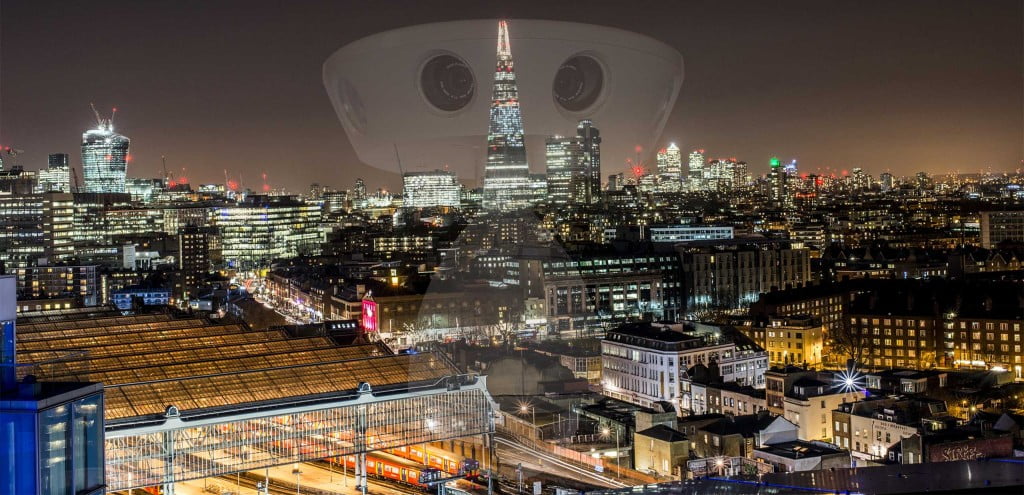
SAFE CITY INITIATIVE (INDIA PERSPECTIVE)
Public safety is now a priority for governments across the world. The 26/11 Mumbai attack made that clear. Every state also carries a constitutional duty. It must protect its citizens and its organisations. Institutions against terror threats to their wellbeing as well as the traditional functions to maintain law and order. India works in the same direction. The 26/11 Mumbai attack had the same effect on India as 9/11 had on the United States. It damaged public confidence in safety and security. It pushed citizens, organisations, state governments and central government to act.

Learn More »
Learn More »
The United Nations, through its Habitat Agenda on Human Settlements (Habitat II, 1996). The Istanbul Conference adopted this approach. It began a series of strategies to reduce violence and crime in cities. The UN-Habitat Safer Cities Programme has two aims. It strengthens personal safety and reduces fear. It does this through better safety services and clear accountability to the community. The Safer Cities Programme has the following building steps or blocks:
BUILDING URBAN SAFETY THROUGH REDUCTION OF VULNERABILITY:
- The UN Safe City Programme defines vulnerability in two ways. The first is the chance that a person, household or community falls below a minimum level of welfare. An example is the poverty line. The second is the chance of physical or socio-economic harm, such as homelessness or injury. Both follow risky events such as forced eviction, crime or flood.). Close attention to urban vulnerability and violence reduces crime. It also helps secure a safe city environment
- Sustainable urbanisation by emphasising and focusing on inclusive and participatory urban planning. Local development practices, incorporates policy-making and strategy development. This, in turn, promotes institutional and organisational development, resource planning and management to enhance efficiency in governance. The Government of India also adopted the policy Sabka Saath Sabka Vikas. It means growth for all, with participation by all.”.
- Enhancing urban safety and social cohesion are issues of good urban governance. The aim is a safe and secure city. Safety improves for citizens and neighbourhoods. People and groups meet without fear, whatever their caste, creed, religion, race or faith. These steps meet the constitutional requirement of a secular country. They are also the first steps towards good governance. They create a supportive environment for city residents. Quality of life improves, and economic growth follows for people, organisations and the country.

 The Viseum Safe City concept for national security The Safe City concept gives a government ...
Learn More »
 Viseum UK’s Safe City Security Initiative Viseum produces a safe city report that reveals ...
Learn More »
Safe City (India’s perspective)
The Constitution of India gives the Union government both rights and responsibilities. It must protect every citizen and every state against external hostility. It must also protect them against internal disorder. This ensures that each state is governed under the Constitution. The Ministry of Home Affairs (MHA) carries these obligations. The Home Minister leads it and holds one of the most senior posts in India. The MHA monitors the internal security situation at all times. It issues advisories and shares intelligence. It also provides manpower, funding, guidance and expertise to the state governments.
The Seventh Schedule to the Constitution of India makes policing and public order state subjects. State governments hold the main responsibility for prevention, registration and detection of crime. Investigation of crime and prosecution of the perpetrators of crime within their jurisdiction. The MHA supports the work of the state governments with financial assistance. This funds the modernisation of state police forces. It covers weaponry, communication, equipment, mobility, training and other infrastructure. The MHA introduces new initiatives on a regular basis. These equip states and state security agencies with current technologies and systems. The aim is to counter any security threat to citizens.
MODERNIZATION OF STATE POLICE FORCES (MPF)
The MHA is assisting the state governments for planning and implementation of modernising its state police forces. The scheme funds the purchase of current equipment. This includes AI surveillance cameras, TETRA radio sets for communication and forensic laboratories. It also covers weaponry, vehicles, computers and training infrastructure. Under the MPF scheme, all north-eastern states can receive 100% central assistance. This applies to their approved annual plan for modernising the state police force. Awards depend on need, demand and approval by the competent authorities.
SAFE CITY AND MEGA CITY POLICING PLANS INDIA
The government introduced the Megacity and Safe City policing plan under the MPF scheme in 2005. The plan is still being implemented. Work has now gained pace with an allocation of 57 million US dollars. By 2010 the system had matured. It helped deliver the Commonwealth Games in Delhi without incident. The MHA has provided further impetus to the megacity policing programme by allocating 72 million USD for the period 2013-17. Also, the state governments are the primary drivers for city surveillance initiatives. They are also responsible for overall funding. They can request funds from the MHA as needed. The state government funds and Safe City funds can be pooled in from city municipalities, state governments, and MP/MLA funds.
The funds will buy modern equipment. This includes AI surveillance cameras and perimeter security systems. It also includes network equipment and data servers for central command and control centres. Video management systems and DVRs are covered. So are cyber patrol and communication monitoring systems. The list includes GIS-based automated vehicle tracking and management. Other technologies may be added. Examples include adaptive traffic management, ANPR (Automated Number Plate Recognition) and face recognition. Others are ITMS (Intelligent Traffic and Transport Management System), highway patrolling and speed recognition. Safe City and state government teams work with the Union government in India on all of these.
Elements of Safe City (Integrated city surveillance)
India is the largest democracy in the world. Its cities reflect that diversity. They hold rich cultural values and a wide social and economic mix. The goal is an integrated surveillance system which makes cities safe and provides a secure environment for development and growth. Cities also hold schools, colleges and other educational institutions. They hold airports, railway stations and metro rail. They hold power plants, water and wastewater facilities, refineries and steel plants. They hold roads, highways and expressways. They also hold heritage and cultural buildings.). Most importantly, its citizens are the source of a city’s energy.
Recognition is growing that these factors connect and interact. They spark and drive crises. Security management must handle them as one system. Attention is growing on the high economic and social cost of weak security management. India needs current video surveillance, hardware and software. The technology products of the Viseum UK Group are developed in London, United Kingdom. They are built with the standards of the Metropolitan Police at Scotland Yard in mind. That force is known for its alertness and fast response. There are four entities that collectively form a part of a safe public safety and security workflow as defined below:
DETECTION AND INTEGRATION
- AI SURVEILLANCE CAMERA.
- ANPR (AUTOMATED NUMBER PLATE RECOGNITION).
- GUNSHOT DETECTION.
ANALYSIS (REAL-TIME ALARMS)
- ANALYSIS AND INDEX.
- SEARCHABLE VIDEOS.
- EVENT SEARCH.
- PATTERN ANALYSIS.
DECISION (COORDINATION CENTRE)
- DASHBOARDS.
- COMMAND AND CONTROL CENTRE.
- INCIDENT MANAGEMENT.
- INVESTIGATIVE ANALYSIS.
ACTION (FIRST RESPONDERS)
- ON GROUND ACTION.
- POLICE OR MEDICAL.
- RIOT CONTROL.
- BOMB DISPOSAL.